9+ curated guides • Updated May 2025
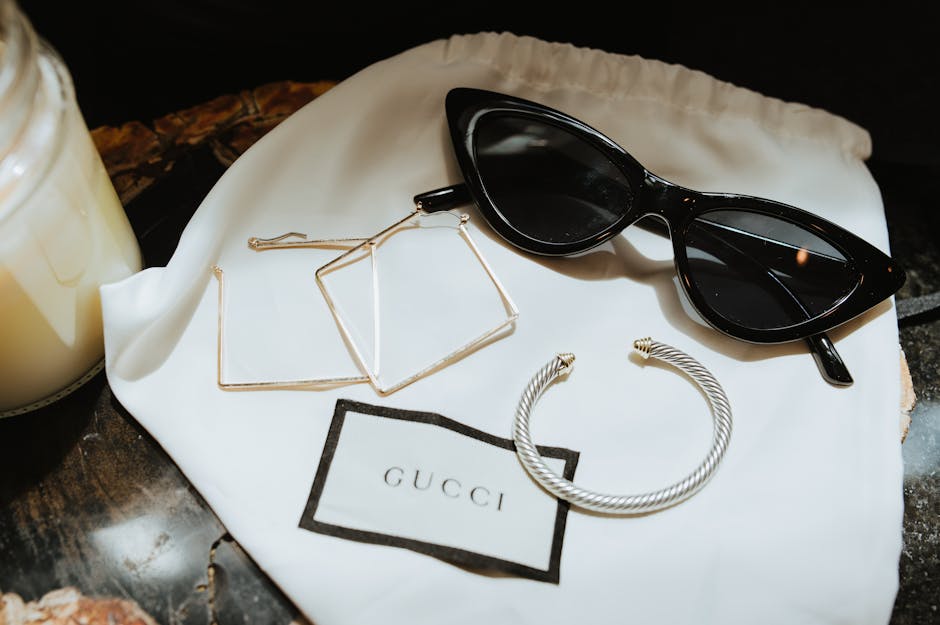
You stare at a closet packed with clothes, yet feel like you have nothing to wear. The solution isn't another shopping spree; it's a strategic shift in thinking. What if five key accessories could unlock hundreds of new outfits from the very clothes you already own, making you look more polished while saving you money? Most people treat accessories as an afterthought—a frivolous expense. This is a portfolio management error. These items aren't costs; they are high-leverage assets that multiply the value of your core wardrobe. By acquiring the right pieces, you're not just decorating an outfit; you're fundamentally altering its utility and impact. We will analyze five specific 'securities' for your style portfolio: the structured belt, the silk scarf, classic minimalist jewelry, the versatile shoulder bag, and timeless sunglasses. It's time to stop spending and start investing.
Celebrity Cruises doesn't just call the Edge a ship; they call it a 'resort that travels.' It’s a bold claim that promises the ambiance of a St. Regis with the views of the open ocean. But can a vessel designed for thousands truly replicate the bespoke, spacious feel of a five-star property on land? We stepped aboard to deconstruct the marketing and uncover if this is a genuine evolution in travel, or just a very beautiful cruise ship. The distinction is crucial. A resort is a destination in itself, defined by a sense of place, unhurried luxury, and intuitive service. A ship is a mode of transport, however grand. Our investigation focused on three core pillars that define any true luxury property: architectural intent, spatial flow, and the human element of service. The results were, to say the least, illuminating.
For decades, the designer gold watch was the predictable prize at the top of the corporate ladder. Today, that same watch is worn by artists, entrepreneurs, and athletes, paired with hoodies and sneakers. This isn't just a trend; it's a fundamental shift in what the gold watch signifies, and mastering its new language is the key to wearing one well. We're moving beyond the simple flex of wealth and into a more nuanced territory of personal narrative and sartorial irony. This isn't a guide to buying a watch; it's a field guide to understanding what it means to wear one now. Forget the mahogany-paneled boardrooms of the past; the new habitat for this apex predator of accessories is the street, the studio, and the startup incubator.
You've seen the gorgeous designer bag on Instagram, sighed at the four-figure price tag, and resigned yourself to window shopping. But what if the secret to that luxury look wasn't saving up, but a £15 tote from Max Fashion and a bit of creativity? We're not just finding dupes; we're creating one-of-a-kind statement pieces, and we'll show you exactly how. This isn't about settling for less; it's about hacking the system. We see that simple, well-constructed Max bag not as an endpoint, but as the perfect blank canvas. It’s the foundational architecture for a piece that will have everyone asking, “Where did you get that?” Forget the brand name; we’re here to build a legacy of our own making, one stitch and one hardware swap at a time.
We all know Adam Sandler's 'Hanukkah Song,' but what about the deeper cultural DNA embedded in Hollywood's greatest hits? From the storytelling ethics in Steven Spielberg's films to the specific rhythms of comedy perfected by legends like Joan Rivers, Jewish identity has long been a powerful, often unseen, force shaping mainstream entertainment. This isn't just about who is Jewish; it's about how that heritage has gifted us with some of our most beloved cultural moments. This cultural code isn't a secret handshake; it's a rich, complex lexicon of humor, morality, and intellectual curiosity woven into the fabric of pop culture. By understanding this code, we don't just learn about Jewish history—we gain a profoundly deeper appreciation for the art we thought we already knew.
You came looking for a price tag, but the story of Gucci's most expensive hat isn't about the cost—it's about the value. This isn't just headwear; it's a meticulously crafted piece of brand lore, a symbol of an economic echelon, and a fascinating case study in what makes an object worth more than its weight in gold. Before we dissect the anatomy of this wearable asset, understand this: the five- or even six-figure sum attached is merely the entry point. The true value is unlocked by understanding the confluence of history, material science, and the powerful psychology of desire that Gucci has masterfully engineered. This article moves beyond the superficial to analyze the very essence of modern luxury, using this singular object as our lens.
You followed the viral tutorial perfectly, molding and baking a set of vibrant, chunky clay rings. But within a week, you're looking at a collection of cracked colors and broken bands. The truth is, most DIY guides leave out the most critical steps for turning a fragile craft into durable, wearable art. They sell you a dream of instant gratification but neglect the fundamental material science that separates a five-minute craft from a five-year accessory. For over a decade, I’ve stress-tested every brand, every baking method, and every sealant imaginable. I'm here to tell you that the problem isn't your skill; it's the misleading information. This isn't another tutorial. This is the debriefing you need to understand the 'why' behind the breakage and learn the core principles that will transform your creations from brittle trinkets into resilient, beautiful pieces of jewelry you can wear with confidence.
It's back again, that simple band around the neck. But before you dismiss it as just another recycled 90s fad, consider this: the choker has a strange habit of reappearing during history's most turbulent moments. From the French Revolution to the punk uprising, this single accessory tells a deeper story about our collective psyche, one of rebellion, restriction, and resilience. This isn't mere coincidence; it's a pattern. I call it the 'Choker Index'—a cultural barometer that measures our societal anxiety. When the Index is high, when we feel economically precarious, politically polarized, or socially suffocated, the choker re-emerges from the archives. It is a tangible expression of an intangible feeling, an adornment that paradoxically embraces the very feeling of constriction we seek to overcome.
Remember the bizarre handbag trends of 2022? The impossibly tiny bags, the Y2K-era revivals, and the explosion of crescent shapes weren't just fleeting styles. They were a collective cultural response—a secret language speaking volumes about our post-pandemic anxieties and desires. As a fashion psychologist, I see these accessories not as mere objects, but as artifacts of our time. They are the tangible expressions of our shared journey out of isolation, our grappling with a new reality, and our deep-seated need for both control and comfort. In decoding these trends, we decode ourselves.